What a Good Phonics Screener Actually Measures

If your child’s school sent home a note about an upcoming “phonics screener,” you might have felt a flash of worry. Is it a test? Will my child pass or fail? Here’s the good news: a phonics screener is not a high-stakes exam. It is a brief, low-pressure check-in designed to see how your child’s foundational reading skills are developing and whether they might benefit from extra support. For teachers, it is one of the most valuable tools for catching reading difficulties before they take root. Understanding what a good screener measures can help both parents and educators make the most of the results.

Why Universal Screening Matters Right Now

Across the United States, a growing number of states are requiring universal literacy screening for students in kindergarten through second or third grade. In 2024 alone, 15 states adopted new early literacy policies rooted in the science of reading, many of which included mandates for universal screening, parent notification, and evidence-based intervention.

The 2024 NAEP results showed that only 31% of fourth graders read at or above the proficient level, and 40% scored below basic. Research consistently shows that intervening early produces stronger outcomes than waiting to see if a child will “grow out of it.” A phonics screener is the first step in that early identification process.

The Core Skills a Good Screener Assesses

A quality phonics screener targets the specific foundational skills that research has identified as the strongest predictors of future reading success. A well-designed screener like DIBELS 8th Edition assesses these in a developmentally appropriate way based on the child’s grade level.

Letter naming and letter-sound knowledge come first. Before children can decode words, they need to recognize letters quickly and connect them with their corresponding sounds. DIBELS uses a Letter Naming Fluency subtest in kindergarten and first grade to measure how efficiently a child can identify letters. Speed matters because automaticity with letters frees up mental energy for the harder work of blending and reading.

Phonemic awareness is the next critical piece: the ability to hear, identify, and manipulate individual sounds in spoken words. A child who can break “cat” into /c/ /a/ /t/ is demonstrating phonemic segmentation, one of the most reliable early predictors of reading success. DIBELS measures this through its Phonemic Segmentation Fluency subtest, where children segment spoken words into individual sounds within one minute.

Decoding is where phonics knowledge meets real reading. A good screener assesses whether a child can apply letter-sound knowledge to read words they have never seen before. This is why many screeners include nonsense words (sometimes called pseudo-words). Words like “hap,” “sog,” or “nop” cannot be memorized or guessed from context. The DIBELS Nonsense Word Fluency subtest is considered a “pure” measure of the alphabetic principle for exactly this reason, and it now extends through third grade in the 8th Edition to assess more complex phonics patterns.

As children progress, screeners also measure word reading fluency and oral reading fluency, capturing whether decoding skills are becoming automatic. A child who is still laboring over every word simply does not have the mental bandwidth left to think about what a passage means.

What a Screener Is (and What It Is Not)

One important distinction that both parents and teachers should understand is that a phonics screener is not a diagnostic tool. It does not tell you why a child is struggling or whether they have a specific learning disability like dyslexia. Think of it as a temperature check. If the results indicate risk, the next step is a more detailed assessment to pinpoint specific skill gaps and plan targeted instruction.

A good screener is brief, typically five to fifteen minutes per child, and should be administered multiple times a year so educators can track progress and adjust instruction accordingly. This repeated measurement is what makes screening so powerful. It is not a single snapshot but an ongoing picture of a child’s reading development.

For educators, screener data should feed directly into instructional decisions. When results show a group of students struggling with phonemic segmentation, that signals a need for more explicit practice with sound-level activities. When an individual child falls significantly behind despite quality Tier 1 instruction, it may be time for small-group intervention within a Response to Intervention (RTI) framework.

How Parents Can Use Screener Results

If your child’s school shares screening results with you, ask questions. Find out which specific skills were assessed and where your child fell relative to grade-level benchmarks. Ask whether your child is on track, at some risk, or at significant risk, and what the school plans to do next. In many states, schools are now required to notify parents of screening outcomes.

At home, you can reinforce the same skills a screener measures. Practice letter sounds together, play rhyming games, and read decodable books that let your child apply the phonics patterns they are learning.

Knowledge Is Power for Your Child’s Reading Future

A good phonics screener is not something to fear. It is a tool designed to protect your child by catching potential reading difficulties when they are most responsive to intervention. For teachers, it is a compass that points instruction in the right direction. For parents, it is a window into your child’s reading development that empowers you to advocate and support.

For more expert guidance on phonics instruction, evidence-based program reviews, and practical strategies you can use today, visit the Phonics.org articles page. Together, we can make sure every child gets the reading support they deserve.
Why Decodable Books Matter More Than You Think

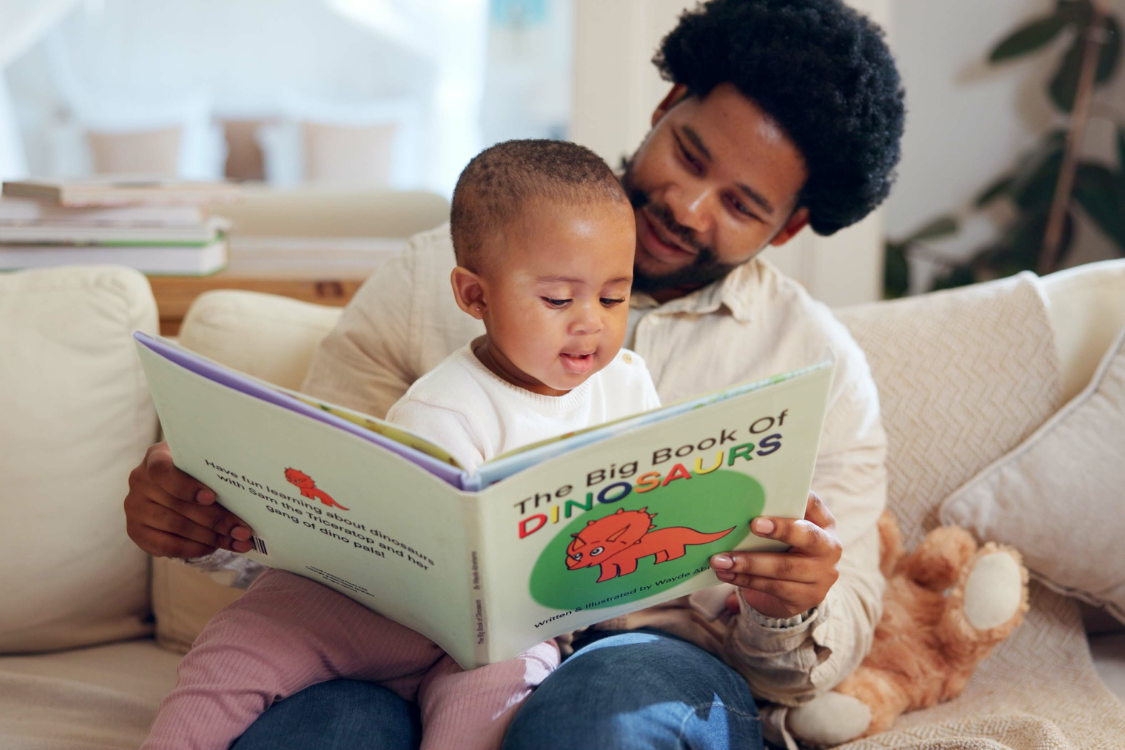
Your child has been learning letter sounds for weeks. They can tell you that “s” says /s/ and “a” says /a/ and “t” says /t/. Then you hand them a picture book from the shelf and watch as they stare at the page, guess wildly based on the pictures, and end up frustrated. The problem isn’t your child. It’s the book. When early readers are given texts filled with words they haven’t been taught to decode, they learn to guess instead of read. Decodable books flip that script entirely, and the difference they make is bigger than most parents and teachers realize.

What Makes a Book “Decodable”

A decodable book is written specifically so that the vast majority of words in it can be sounded out using the phonics skills a child has already been taught. If your child has learned the sounds for s, a, t, p, i, and n, a well-designed decodable book will be built almost entirely from words using those letters. The child reads “sat,” “pin,” “tap,” and “nap” not by guessing or memorizing, but by applying the exact phonics skills they’ve been practicing. This is fundamentally different from predictable or leveled texts, which are organized by sentence length and vocabulary difficulty but often include words a beginning reader has no way to decode. When a child encounters a word they can’t sound out, they’re forced to guess from pictures or skip ahead. Over time, that guessing becomes a habit, and a damaging one. Decodable books train the opposite reflex: when you see a word, you sound it out. 

The Research Behind Decodable Texts

A 2024 meta-analysis published in the journal Literacy examined the use of decodable texts with beginning readers. The study found that decodable texts had a moderate positive effect on pseudoword decoding, which is one of the strongest predictors of later reading success, and a smaller but still positive effect on word reading. The researcher also noted that decodable texts work best when used alongside other reading materials as part of a comprehensive literacy approach, not in isolation. These findings align with what the National Center on Improving Literacy has long emphasized: children need immediate opportunities to apply phonics skills in connected text for those skills to stick. Decodable books provide that exact opportunity, in a structured, confidence-building way.

Why Guessing Is the Habit You Want to Avoid

This is where decodable books earn their real value. The type of text a child reads first sets what researchers call their “reading reflex,” the default strategy they reach for when they hit an unfamiliar word. If a child’s earliest reading experiences involve predictable texts with picture clues, they learn to look at the picture, guess, and move on. That strategy might work in kindergarten when texts are simple, but it collapses completely by second or third grade when illustrations disappear and vocabulary becomes more complex. Decodable books build a different reflex from day one: look at the letters, sound them out, blend the sounds together. That strategy scales. It works on “cat” in kindergarten and it works on “catastrophe” in fourth grade. With 40% of fourth graders reading below basic on the 2024 NAEP, the reading reflex children develop in their earliest years matters more than ever.

How to Use Decodable Books at Home

If your child is learning phonics at school or through a program at home, look for decodable books that align with the specific skills they’ve been taught. The book should match where your child is in their phonics instruction, not where you hope they’ll be next month. A good rule of thumb: if your child can read 90% or more of the words accurately, the book is at the right level. Read the book together first. Then let your child read it independently, offering gentle support when they stumble. When they misread a word, resist the urge to supply the answer. Instead, guide them back to the sounds: “Look at the letters. What sounds do they make? Now blend them together.” Rereading the same decodable book multiple times is not a sign of being stuck. It’s one of the best things your child can do. Each rereading builds accuracy, speed, and confidence, which are the three ingredients of fluency.

Don’t worry if the stories seem simple or the plots feel thin. Decodable books are a tool for building decoding skills, not a replacement for the rich, complex stories you read aloud to your child every night. Both types of reading matter, but they serve different purposes. Phonics instruction is most effective when children get immediate, repeated practice applying skills to real reading, and decodable books are one of the best ways to provide that practice.

The Book That Builds the Reader

Decodable books may not win any literary awards, but they do something no other type of early text can: they let a beginning reader succeed using real reading skills, not guessing. That experience of sounding out a word, getting it right, and understanding the sentence is what builds a child’s identity as a reader. For more guidance on choosing the right phonics tools for your child, including program reviews and expert resources, visit Phonics.org. Because the right book at the right time can change everything.

The Alphabetic Principle: The One Concept That Changes Everything for Both Teachers and Parents

Right now, you’re reading these words without thinking about how you’re doing it. Your brain is instantly converting letters into sounds and sounds into meaning, all in milliseconds. But there was a time when none of that came naturally. At some point in your childhood, something clicked: you realized that the marks on a page weren’t random, that each letter stood for a sound, and that those sounds could be strung together to make words. That realization has a name. It’s called the alphabetic principle, and it is the single concept that unlocks the entire process of learning to read. Without it, letters are just shapes. With it, the code of written language starts to crack open.

What the Alphabetic Principle Actually Is

The alphabetic principle is the understanding that written letters represent spoken sounds in a systematic and predictable way. It sounds simple, but it is the gateway to everything else in reading. The National Center on Improving Literacy describes it as the foundation that enables children to blend individual letter sounds into whole words, which is the very first act of real reading. English has 26 letters, but roughly 44 distinct speech sounds, and those sounds can be spelled in over 200 different ways. A child who grasps the alphabetic principle understands that these letters and letter combinations are not random. They follow rules that can be learned, practiced, and applied to read words the child has never seen before. That understanding is what separates a child who is memorizing words from a child who is actually reading.

Why This Concept Matters More Than Any Single Skill

A longitudinal study of over 810,000 first graders in France found that phonemic awareness contributed to later reading outcomes only when children also had strong knowledge of the alphabetic principle. A child can hear and manipulate sounds in spoken language all day long, but without understanding that those sounds map to written letters, that skill alone will not get them reading. The alphabetic principle is what connects the ear to the page. This finding reinforces what the science of reading has long argued: phonemic awareness and phonics are both essential, but they must work together, and the alphabetic principle is the bridge between them. Explicit, teacher-directed instruction is one of the most effective ways to teach the alphabetic principle. Children do not typically stumble into this understanding on their own. It has to be taught.

How Children Learn the Alphabetic Principle

Children generally move through a predictable sequence. They learn letter names first, often through the alphabet song. Then they learn to recognize letter shapes and begin connecting those letters to their sounds. A 2024 review in The Advocate describes how children progress through phases of word recognition: from the pre-alphabetic phase, where they recognize words only by visual cues like shape or color, to the partial alphabetic phase, where they start using some letter-sound knowledge, and eventually to the full alphabetic phase, where they can decode unfamiliar words systematically. Research shows that teaching letter names, letter sounds, and letter writing simultaneously is most effective because these skills reinforce each other. A child who sees the letter, says its name and sound, and writes it is building the alphabetic principle through multiple pathways at once. This is exactly the kind of multisensory, explicit instruction that the science of reading supports.

What Parents Can Do at Home

You do not need special training to help your child start developing the alphabetic principle. Begin by pointing out letters everywhere: on cereal boxes, street signs, book covers, and labels around the house. Say the letter name and its sound together: “That’s the letter S. It makes the /s/ sound, like snake!” When you read with your child, run your finger under the words so they begin to connect the sounds they hear with the print they see. Play games that link letters to sounds. Magnetic letters on the fridge, alphabet puzzles, and letter-tracing activities all reinforce the connection. Sing songs and read alphabet books that emphasize letter sounds rather than just letter names. And when your child starts to blend sounds together to read a simple word like “cat” or “sun,” celebrate that moment. That is the alphabetic principle in action. Systematic phonics instruction, built on the alphabetic principle, remains the most effective approach for teaching children to read.

What Teachers Should Keep in Mind

Introduce high-utility letter-sound relationships first. Letters like m, s, a, t, and p can be combined into real words almost immediately, giving children early success. Avoid introducing visually or auditorily similar letters at the same time, as this creates unnecessary confusion. Teach consonant sounds and blends in separate lessons, and provide daily opportunities for children to practice blending sounds into words using only the relationships they have already learned. Most importantly, do not assume children will absorb the alphabetic principle through exposure alone. Explicit, systematic instruction is what makes the difference, especially for children who are at risk for reading difficulties. Every child can learn the alphabetic principle, but some will need more time, more repetitions, and more direct support than others.

The Key That Unlocks Every Other Reading Skill

The alphabetic principle is not just one concept among many. It is the concept that makes all the others possible. Without it, phonics has no anchor. With it, a child holds the key to decoding any word they encounter. For more expert guidance on building your child’s reading foundation, including phonics program reviews and practical strategies, visit Phonics.org. Because once a child understands that letters and sounds are connected, everything changes.

Fluency Is Not a Bonus Skill: Why Reading Rate and Accuracy Matter

Most parents celebrate when their child can sound out words on a page. That’s a huge milestone. But here’s what often gets overlooked: decoding is not the finish line. A child who can laboriously sound out every word in a sentence but reads so slowly they’ve forgotten the beginning by the time they reach the end is not truly reading. They’re stuck in the decoding stage, and without fluency, comprehension never fully takes off. Reading fluency is not a nice extra. It’s the bridge between sounding out words and actually understanding them.

What Reading Fluency Actually Means

Fluency is often confused with speed, but reading fast is not the goal. As fluency expert Jan Hasbrouck explains in a conversation with NWEA, “Fluency is not fast reading. Fluency is fluent reading.” The real aim is for a child’s reading to sound like natural speech. Reading fluency has three components: accuracy (reading the right words), rate (reading at an appropriate pace), and prosody (reading with expression that reflects meaning). All three work together. A child who reads accurately but painfully slowly will struggle to hold meaning across a sentence. A child who reads quickly but skips or misreads words is building comprehension on a shaky foundation. And a child who reads in a flat monotone, even if the words are correct and the pace is fine, may not be processing the meaning behind those words. The National Reading Panel identified fluency as one of the five essential pillars of reading instruction alongside phonemic awareness, phonics, vocabulary, and comprehension. Yet despite that recognition, fluency instruction has remained one of the most neglected areas in classroom practice.

Why Fluency Gaps Hurt More Than Parents Realize

When a child lacks fluency, every sentence becomes a cognitive workout. Their brain is spending so much energy on the mechanics of decoding that there’s little left over for understanding what the words actually mean. It’s not uncommon for children to reach upper elementary grades with solid decoding skills but little fluency. They can sound words out, but their reading is slow, laborious, and monotone. These children cracked the phonics code but never made it to the other side, where reading becomes a tool for learning rather than a task to endure.

The 2024 NAEP results reinforce why this matters on a national scale. With 40% of fourth graders reading below the basic level, there’s a clear gap between children who can decode and children who can comprehend. Fluency sits right at the heart of that gap. Research consistently shows that students who do not read with high accuracy are significantly less likely to understand text. And without intervention, fluency gaps widen over time as reading demands increase in later grades.

How Fluency Connects to Phonics

Fluency doesn’t develop in a vacuum. It grows directly out of strong phonics skills. When a child has mastered letter-sound relationships through explicit, systematic phonics instruction, they begin to recognize words automatically rather than sounding them out letter by letter. That automaticity is what frees up the brain to focus on meaning. The National Reading Panel update confirms that systematic phonics instruction remains a cornerstone of effective reading education, and fluency is the natural next step once decoding becomes solid. Think of it this way: phonics gives children the tools to read the words. Fluency is what happens when those tools become second nature.

What Parents Can Do to Build Fluency at Home

The most effective way to build fluency is through guided repeated oral reading, which simply means reading the same text more than once with feedback and support. Read a passage aloud to your child first so they hear what fluent reading sounds like. Then have your child read the same passage back to you. When they stumble on a word, give just enough help for them to decode it themselves rather than supplying the word outright. Repeat the passage until it sounds smooth.

Partner reading and choral reading also work well. In partner reading, your child reads aloud to a sibling, friend, or you, taking turns and offering encouragement. In choral reading, you read the same text aloud together in unison. Both methods build accuracy, rate, and prosody simultaneously. Choose texts that match your child’s current reading level so they can practice fluency without hitting a wall of unfamiliar words on every line.

Above all, keep it joyful. Fluency practice should feel like performance, not punishment. Let your child read with silly voices, act out dialogue, or record themselves reading and listen back. When reading sounds like something a child wants to do, fluency follows naturally.

Fluency Is Where Reading Comes Alive

A child who reads fluently doesn’t just decode words. They think, feel, and understand. Fluency is the skill that turns reading from a mechanical exercise into a meaningful experience, and it deserves the same attention we give to phonics and comprehension. For more expert guidance on building your child’s reading skills, including phonics program reviews and practical strategies, visit Phonics.org. Because every child deserves to read with confidence, understanding, and joy.

First Grade Phonics: When to Move Beyond Basics

There’s a moment that many first-grade parents describe with the same kind of wonder, the moment their child picks up a book and just… reads it. Not perfectly, not without effort, but independently. It’s one of the genuinely remarkable milestones of early childhood, and for most children it happens sometime in the first grade.

First grade is widely considered the most critical year for phonics instruction. Children arrive with varying levels of kindergarten preparation, and by the end of the year, most will be reading simple texts with growing confidence. The question parents often ask is: how do I know if my child is ready to move forward, and what does “moving beyond basics” actually mean?

What the Basics Look Like at the Start of First Grade

Before a child is ready to move into more advanced phonics territory, certain foundational skills need to be genuinely solid, not just introduced, but internalized. At the start of first grade, most children are working to consolidate what they began building in kindergarten.

This typically includes reliable knowledge of consonant and short-vowel sounds, the ability to blend and segment CVC words with reasonable ease, familiarity with common consonant blends and digraphs, and a growing bank of sight words they recognize automatically. The keyword here is automaticity. A child who can sound out “ship” or “frog” slowly and carefully is doing meaningful work, but a child who recognizes those patterns without much conscious effort is ready to move forward.

This distinction matters because phonics instruction ultimately serves reading fluency. When decoding requires enormous mental effort, very little energy is left for comprehension. As phonics patterns become automatic, children free up cognitive space to actually think about what they’re reading, which is the whole point.

Signs Your Child May Be Ready for More Advanced Phonics

Every child’s readiness will look a little different, and no single indicator tells the whole story. But there are some encouraging signs that a first grader is ready to move beyond the foundational patterns and into richer phonics territory.

One strong signal is fluency with short vowel words. If your child moves through simple decodable books with confidence and only slows down on genuinely unfamiliar words, that’s a good indication their basic decoding is becoming automatic. Another sign is when children begin self-correcting, noticing on their own that a word didn’t sound right and going back to try again. That kind of monitoring reflects real phonics understanding, not just memorization.

You might also notice your child attempting to decode longer words by breaking them into parts, even imperfectly. A child who looks at “napkin” and tries “nap” and “kin” separately is applying syllable awareness in a meaningful way, even if they need support. That kind of problem-solving instinct is exactly what good phonics instruction builds.

What Moving Beyond Basics Actually Looks Like

When a first grader is ready to move forward, the new phonics territory they enter is rich and genuinely interesting. Long vowel patterns are typically the next major frontier. The silent e rule, vowel teams like “ai,” “ea,” and “oa,” and the various ways the long vowel sounds can be spelled. These patterns require more flexible thinking than short vowel CVC words, because English spelling offers multiple options for the same sound.

R-controlled vowels, the “ar,” “er,” “ir,” “or,” and “ur” patterns, are another common focus in first-grade instruction. These are tricky because the vowel sound shifts when an r follows it, and children who rely on short vowel knowledge alone will misread words like “bird” or “farm.” Explicit instruction on these patterns, with plenty of practice in real words, helps children add them reliably to their decoding toolkit.

Compound words and simple two-syllable words also become more common in first-grade texts, and instruction that helps children recognize how to break longer words apart gives them strategies they’ll use for years. The goal isn’t to overwhelm a child with every pattern at once. A good scope and sequence introduces new concepts in a logical order, always building on what came before.

When a Child Isn’t Quite Ready to Move On

It’s worth saying clearly: not every first grader will be ready to move beyond basic phonics at the same point in the year, and that is genuinely okay. Some children need more time and repetition with foundational patterns before those patterns feel automatic. Pushing forward before the basics are solid often creates more confusion than it accelerates progress.

If your child is still working to consolidate short-vowel words, consonant blends, or digraphs well into first grade, the most supportive thing, both at school and at home, is continued, explicit practice with those foundational patterns rather than rushing ahead. More repetition with the right content, delivered in a warm and encouraging way, is almost always more effective than moving faster.

This is also a good time to connect with your child’s teacher about where they are in the phonics progression. Most first-grade teachers are conducting regular informal assessments throughout the year and will have a clear picture of where your child is thriving and where they need more support. If your child’s school uses a structured literacy program, ask what scope and sequence they follow. Understanding the roadmap helps you support the journey at home.

How Parents Can Support the Transition at Home

The shift from basic to more advanced phonics is a great time to introduce slightly more complex decodable readers at home, books that include the long vowel patterns and blends your child is working on at school. Reading aloud together remains valuable at every stage, not just for younger children. Hearing fluent, expressive reading models what your child is working toward.

Word sorting games are a surprisingly effective home practice tool. Sorting picture cards or word cards by vowel pattern, short a words in one pile, long a words in another, builds pattern recognition in a low-pressure, hands-on way. You don’t need a formal curriculum to make this work. A simple handwritten set of word cards on the kitchen table can accomplish a great deal.

Above all, keep the emotional environment around reading warm and low-stakes. First grade can feel like a lot of pressure, and children are acutely aware of how adults respond to their efforts. Celebrating genuine progress, however incremental, does more for reading development than any single instructional strategy.

First Grade Phonics Sets the Stage for Everything Ahead

First grade is not the finish line for phonics instruction, but it is where the foundation either solidifies or starts to show cracks. Children who move through first grade with strong, flexible decoding skills are enormously well-positioned for the reading demands of second grade and beyond. And children who need more time with the basics deserve patient, explicit support, not acceleration.

Whether your child is ready to sprint ahead or needs more time to build foundational skills, Phonics.org has the resources to help you understand what they need and how to support them. Visit Phonics.org for expert-reviewed guidance on every stage of early reading development, because every child deserves a strong start.

Preschool Phonics: What’s Developmentally Appropriate?

Here’s something that surprises many parents: phonics learning doesn’t begin in kindergarten. It begins in the bathtub. It begins in the car. It begins every time your toddler claps along to a nursery rhyme or points at the golden arches and shouts, “M for McDonald’s!” Long before children sit down with a workbook, their brains are quietly doing the foundational work that reading is built on.

So what should you actually expect from a preschool child when it comes to phonics, and how do you know if your child is on track?

The Brain Is Getting Ready Long Before Formal Instruction Begins

Reading is not a natural skill the way speaking is. The human brain has to be explicitly taught to connect printed letters with speech sounds, and that process takes time, repetition, and the right kind of support. But the groundwork for that process begins very early.

In the preschool years, children are building what researchers call phonological awareness, the ability to hear, recognize, and play with the sounds in spoken language. This is not the same as phonics, but it’s the essential precursor to it. A child who can hear that “cat” and “hat” rhyme, or who can clap out the syllables in their name, is developing exactly the skills their brain needs before formal letter-sound instruction begins.

What’s important to understand is that this isn’t “pre-learning.” It’s real, meaningful literacy development, and it matters enormously for what comes next.

What’s Developmentally Appropriate in Preschool

Parents often feel pressure to push reading early, especially when they see other children seemingly ahead. But the Science of Reading is clear: forcing formal phonics instruction before a child is developmentally ready doesn’t accelerate learning. It can actually create frustration and avoidance.

Here’s a realistic picture of what most children can do at each preschool stage:

Around age 3: Children may begin to recognize that words are made of sounds. They can enjoy rhymes, songs, and repetitive language. They may recognize the first letter of their name and understand that books are “read,” not just looked at.

Around age 4: Many children can identify some letters, especially those in their name or frequently seen in their environment. They may begin to notice beginning sounds in words (“ball starts with /b/!”) and love playing with language, making up silly rhymes, and repeating funny-sounding words.

Around age 5 (preschool/Kindergarten transition): Children can be ready to begin connecting letters to their sounds more systematically. They may be able to blend two or three simple sounds together, recognize more letters of the alphabet, and understand that print moves from left to right.

None of this requires drilling flashcards. It happens through rich, language-filled experiences, such as being read to daily, singing songs, playing word games, and having adults who talk with them, not just to them.

Signs Your Preschool Child Is Building a Strong Foundation

You don’t need to administer a test to gauge how your child is progressing. Pay attention to these natural signs of healthy pre-literacy development. A child on track will typically show curiosity about books and print, enjoy rhyming games and songs, begin recognizing letters, especially in familiar words like their name, notice beginning sounds in words, and understand that the squiggles on a page mean something.

If your child consistently avoids books, seems uninterested in language play, or has difficulty hearing rhymes well past age four, that’s worth a gentle conversation with their preschool teacher or pediatrician. Early support is far easier than later intervention, and the window for building these foundational skills is real.

What to Watch Out for in Preschool Phonics Programs

Not all preschool phonics instruction is created equal. Some preschool programs do an excellent job of weaving phonological awareness into daily routines through songs, stories, and play. Others may push formal, worksheet-based phonics instruction too early, which can feel like learning but often misses the mark developmentally.

At Phonics.org, the approach we advocate for is explicit and systematic, but that doesn’t mean rigid or joyless, especially for the youngest learners. In preschool, appropriate phonics-aligned instruction looks like singing the alphabet, emphasizing letter sounds (not just letter names), reading aloud books that play with rhyme and repetition, pointing out letters in the environment, and playing simple sound-matching games.

What it does not look like is pressuring a four-year-old to decode CVC words or memorizing sight words before they’ve developed solid phonemic awareness. Sequence matters. The Science of Reading is not about going faster. It’s about going in the right order.

How Parents Can Support Phonics Readiness at Home

You are your child’s first and most important literacy teacher, and the good news is that supporting preschool phonics doesn’t require a curriculum. Daily read-alouds are one of the single most powerful things you can do. When you read with expression, pause to talk about what’s happening, and occasionally point to words on the page, you’re building comprehension, vocabulary, and print awareness all at once.

Beyond reading, talk constantly. Describe what you’re doing while you cook, narrate a trip to the grocery store, ask your child questions that require more than a yes or no answer. Rich oral language is the soil that phonics instruction grows in, and children who arrive at kindergarten with strong vocabularies and solid phonemic awareness almost always have an easier time learning to decode.

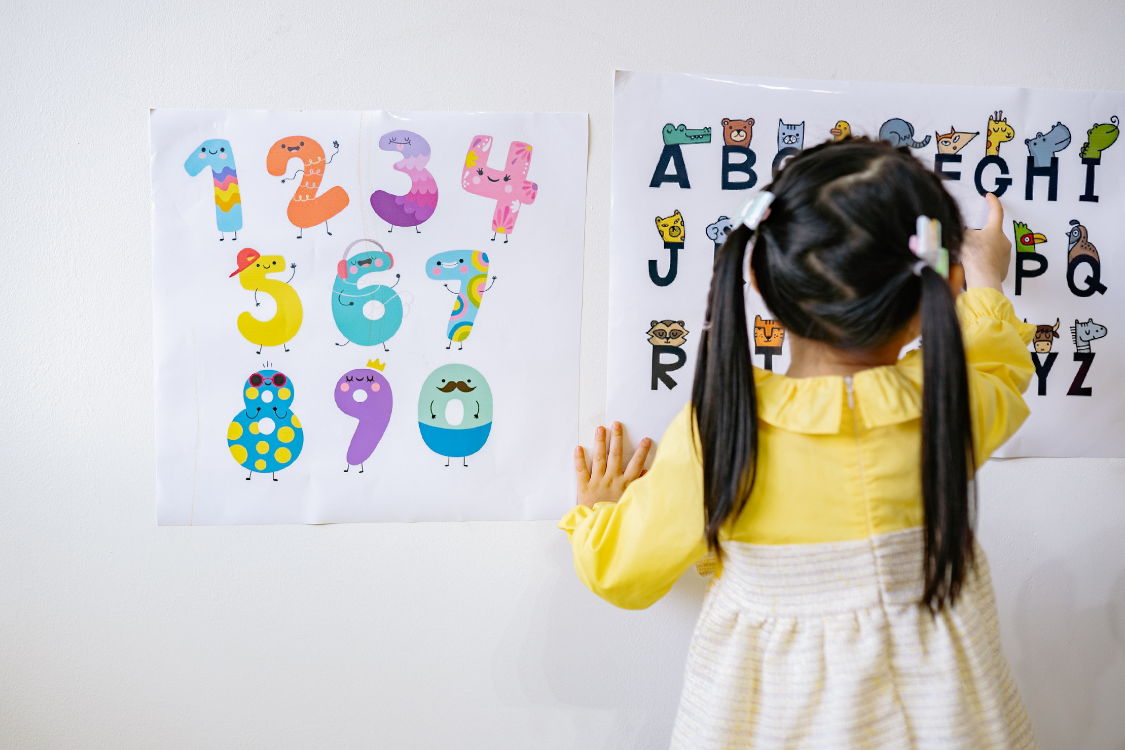
Letter play is valuable, too. Magnetic letters on the fridge, alphabet puzzles, and writing their name together are all developmentally appropriate ways to begin building letter knowledge without pressure. The goal in preschool isn’t mastery. It’s exposure, curiosity, and a growing love of language.

Preschool Phonics: Build the Right Foundation at the Right Time

Preschool is not too early to think about phonics, but it is too early for formal, pressured instruction. The most important thing parents and educators can do in these years is build a rich language environment, cultivate a love of books, and develop phonological awareness through play and conversation.

When children arrive at kindergarten with those building blocks in place, explicit phonics instruction has fertile ground to take root. That’s the path the Science of Reading points to, and it’s the path that leads to confident, capable readers.

For more parent-friendly guidance on supporting your early reader from preschool through the elementary years, visit Phonics.org regularly. We share honest, research-backed resources to help every child get the literacy foundation they deserve.

Kindergarten Phonics Pacing: Month-by-Month Expectations

If you’ve ever sat at a kindergarten pickup wondering whether your child is keeping pace with their classmates, you’re not alone. Phonics progress in kindergarten can feel mysterious from the outside. One child seems to be reading already, while another is still working on letter sounds, and both can be perfectly on track.

What the Science of Reading tells us is that children arrive at kindergarten with widely varying levels of literacy exposure, and that’s completely normal. What matters most is that once formal instruction begins, it’s explicit, systematic, and consistent. This guide is meant to give you a general sense of how phonics skills tend to unfold across the kindergarten year, not as a rigid checklist, but as a warm and honest picture of what learning often looks like.

The Fall Months: Build the Foundation

For many children, the first weeks of kindergarten are about orientation, learning routines, meeting classmates, and settling into a school environment. Phonics instruction typically begins gently, and what teachers introduce during this time is foundational rather than advanced.

In the early fall, most kindergarten classrooms focus on phonological awareness, helping children tune into the sounds of spoken language before connecting those sounds to letters. This might look like clapping syllables in names, identifying rhyming words, or listening for the beginning sound in a word. These skills may seem simple, but they are genuinely essential. 

Letter recognition and letter-sound correspondence also typically begin in the fall. Most programs introduce letters in a deliberate sequence, often starting with high-frequency consonants and short vowel sounds, rather than simply working through the alphabet from A to Z. If your child’s teacher seems to be moving slowly or skipping around the alphabet, that’s likely intentional and aligned with a structured phonics scope and sequence.

By the end of fall, many children are beginning to recognize a growing number of letters and their sounds, though the pace varies considerably from child to child. Some will be connecting sounds and beginning to blend two-letter combinations; others will still be solidifying letter recognition, which is also completely appropriate.

The Winter Months: Connect Sounds to Reading

As winter settles in, kindergarten phonics instruction typically picks up. Children who have been building letter-sound knowledge start to practice blending, combining individual sounds to read short words. This is a pivotal moment in literacy development, and it can happen at very different times for different children.

The most common entry point for blending is the CVC word, consonant-vowel-consonant patterns like “sat,” “pin,” and “hop.” These short, decodable words give children a chance to practice what they’ve been learning in a meaningful way. For many kids, the lightbulb moment of actually reading a word, no matter how small, is enormously motivating.

Winter is also often when sight word instruction expands. Sight words are high-frequency words that appear constantly in early texts, and while many of them are decodable with phonics knowledge, some have irregular spellings that children simply need to recognize on sight. A good phonics program will introduce these gradually and in context, rather than as isolated memorization lists.

It’s worth noting that blending can be genuinely hard for some children even when they know their letter sounds well. The act of holding individual sounds in memory and pushing them together is a cognitive skill that develops with practice. If your child knows their sounds but struggles to blend, that’s useful information, and it means targeted practice with blending activities, not a sign that something is deeply wrong.

The Spring Months: Growth, Fluency, and Early Reading

Spring kindergarten is where many families start to notice real progress. Children who have been steadily building phonics skills through the fall and winter often begin reading simple decodable books, short texts where nearly every word can be sounded out using the phonics patterns they’ve learned. This is a genuinely exciting milestone, and it builds reading confidence in a way that memorizing whole words can’t.

By spring, many kindergartners are working with a broader range of phonics patterns. Instruction may expand beyond simple CVC words to include consonant blends like “bl,” “st,” and “cr,” as well as digraphs like “sh,” “ch,” and “th.” Some children will move into these patterns smoothly; others will need more time with the basics, and that is completely valid.

This is also the time of year when differences between classmates can feel most visible to parents. One child may be reading simple sentences while another is still sounding out three-letter words. Both can be within a normal range of kindergarten development. The critical thing is whether a child is making progress, even if that progress looks different from their neighbor’s.

If you notice your child has stalled or is showing significant frustration with reading activities, spring is a good time to talk with their teacher. Many schools have assessment checkpoints throughout the year, and kindergarten teachers typically watch closely for children who may benefit from additional support before first grade begins.

What to Do at Home All Year Long

Throughout kindergarten, there are simple, meaningful things parents can do at home that make a genuine difference. Daily reading aloud remains one of the most impactful habits you can maintain, not because it directly teaches phonics, but because it builds vocabulary, comprehension, and a love of books that supports everything else.

Playing simple word games in the car or at dinner reinforces phonemic awareness without feeling like homework. Ask your child to think of words that start with the same sound as “dog,” or challenge them to count the syllables in a funny word. Keep it lighthearted. Phonics learning sticks best when it feels like play rather than pressure.

When your child brings home decodable readers or sight word lists from school, try to practice in short, cheerful sessions rather than long drills. Five minutes of engaged practice is worth far more than twenty minutes of reluctant repetition. Celebrate small wins genuinely, not with over-the-top praise, but with authentic enthusiasm that tells your child you noticed their effort.

And perhaps most importantly, try to resist comparing your child’s timeline to another child’s. Kindergarten phonics pacing varies for real, legitimate reasons; differences in preschool exposure, language background, developmental readiness, and learning style all play a role. The goal isn’t to finish reading chapter books in kindergarten. The goal is to finish kindergarten with a solid foundation of letter-sound knowledge, some blending ability, and a positive relationship with reading.

Wrap Up the Kindergarten Year With Confidence

By the time spring conferences roll around and kindergarten winds down, most children have covered a meaningful amount of phonics ground, even when that ground looks different from child to child. A year of explicit, systematic instruction builds more than just reading skills. It builds the belief that reading is something your child can do.

If your child’s kindergarten year felt rocky at times, take heart. The research is clear that early, consistent phonics instruction, paired with patient support at home, makes an enormous difference over time. And if you’re curious about what first-grade phonics typically looks like, or want to explore apps and programs that can support your early reader at home, Phonics.org has you covered.

Visit Phonics.org for honest, parent-friendly resources on every stage of your child’s reading development. We’re here to help every child, at every pace, become a confident reader.

When Phonics Rules Don’t Work: Teaching Exception Words Systematically

You’ve been working hard with your child on phonics. They’re blending sounds beautifully, sounding out “cat” and “ship” with confidence. Then they encounter the word “said” and try to pronounce it “s-ay-d.” Your heart sinks a little. Welcome to the world of exception words.

What Makes Exception Words So Tricky?

Exception words, sometimes called common exception words or sight words, are words that don’t follow the standard phonics patterns children learn in their early reading instruction. These are words like “the,” “was,” “said,” “come,” and “one.” They show up constantly in books, yet they refuse to play by the rules.

Here’s what makes them challenging: Your child has learned that when they see the letter ‘o’ followed by ‘n’ and ‘e,’ they should say the long ‘o’ sound, like in “bone” or “cone.” But then “one” comes along and completely breaks that pattern. It’s confusing, and it can shake a young reader’s confidence in the phonics system they’ve been learning.

The good news? Research shows that even these rule-breakers can be taught systematically. You don’t have to just drill flashcards and hope for the best.

Why These Words Matter So Much

Exception words aren’t just random vocabulary. They’re some of the most frequently used words in the English language. Think about how often you use “the,” “said,” “was,” or “are” in a single paragraph. These words make up a huge portion of the text young readers encounter.

When children stumble over these words repeatedly, it disrupts their reading flow. They can’t focus on understanding the story when they’re stuck trying to decode “what” for the tenth time. Mastering exception words helps children read more smoothly and with better comprehension.

Teaching Exception Words: A Systematic Approach

The key to teaching exception words isn’t abandoning phonics. It’s using what children already know and being explicit about what’s different.

Start with what’s regular. Even in exception words, some parts usually follow phonics patterns. In the word “said,” the ‘s’ and ‘d’ sounds are perfectly regular. Only that tricky middle part breaks the rules. Point this out to children. “We know the ‘s’ says /s/ and the ‘d’ says /d/, but in this word, ‘ai’ makes the short ‘e’ sound instead of the long ‘a’ sound we usually see.”

Mark what’s unusual. Some teachers and parents find it helpful to highlight or underline the irregular part of exception words. This visual cue helps children remember which part they need to memorize. In “said,” you might underline “ai” to remind them this is the part that’s different.

Use multiple senses. Write the word. Say the word. Trace the letters while saying the word. The more ways children interact with exception words, the better they’ll remember them. This multisensory approach creates stronger memory pathways in the brain.

Practice in context immediately. Don’t just drill isolated words. After introducing an exception word, have your child read it in sentences right away. “I said hello. She said goodbye. We said thank you.” This helps children recognize the word automatically when they encounter it in real reading.

Build Memory Through Repetition

Exception words need more repetition than regular phonics patterns because children can’t rely on decoding rules to remember them. But repetition doesn’t have to mean boring drills.

Mix these words into regular reading practice. Point them out in favorite books. Create simple sentences together using the new words. Play quick games where children find exception words in a paragraph. The goal is frequent, brief encounters rather than long memorization sessions.

Common Words for Different Ages

In early first grade, children typically learn basic exception words like “the,” “to,” “do,” “I,” and “no.” As they progress, they tackle trickier words like “could,” “would,” “should,” “who,” and “many.”

By second grade, children work with words like “because,” “people,” “water,” and “different.” The patterns become more complex, but the teaching approach stays the same: identify what’s regular, highlight what’s not, and provide plenty of practice in context.

What About Reading Programs?

Many systematic phonics programs include instruction on exception words as part of their sequence. They introduce these words gradually, often teaching them alongside related phonics patterns. For example, children might learn “said” when they’re working on words with ‘ai’ in them, so they can directly compare the regular pattern with the exception.

If your child’s program doesn’t systematically teach exception words, you can supplement at home using the strategies above. Just don’t overwhelm them, introduce a few at a time and make sure they’re mastering each small set before moving on.

Exception Words and Long-Term Reading Success

Exception words may not follow the rules, but teaching them doesn’t have to be random or frustrating. With systematic instruction that builds on phonics knowledge, explicit teaching about what makes each word different, and plenty of practice in context, children can master these essential words.

Remember, every proficient reader you know has learned to read exception words. Your child will too. It just takes patience, good instruction, and consistent practice.

For more evidence-based strategies and honest reviews of reading programs, visit Phonics.org regularly. We’re here to help every child become a confident reader.

Digital Phonics Games: Which Ones Actually Follow Science?

You’re scrolling through educational apps at 10 PM, reading glowing reviews and watching demo videos of animated characters celebrating correct answers. This one promises to teach your child to read in just weeks. That one has won multiple awards. Another boasts artificial intelligence that adapts to your child’s level. Your finger hovers over the download button, credit card ready.

But here’s the question nobody asks in those polished demo videos: Does this app actually teach phonics the way research says works best, or is it just gamified guessing dressed up as education?

The explosion of digital phonics games has given parents and teachers more options than ever. Unfortunately, more options don’t always mean better options. Many popular apps undermine effective phonics instruction while looking impressively educational. Learning to spot the difference between science-based digital tools and sophisticated entertainment can save you money, time, and, most importantly, prevent your child from practicing ineffective reading strategies.

The Non-Negotiables: What Research Says Works

Before evaluating any digital phonics game, understand what effective phonics instruction requires. According to decades of reading research, phonics instruction must be systematic and explicit. Systematic means skills are taught in a logical sequence, building from simple to complex. Explicit means the app directly teaches letter-sound relationships rather than expecting children to discover them through exposure.

This immediately eliminates a huge category of popular apps, those that present whole words and ask children to memorize them through repetition or matching games. While memorizing “cat” and “dog” feels like reading progress, it doesn’t build the decoding system children need for unfamiliar words. A child who has memorized fifty sight words still can’t read “strap” or “bench” unless they’ve learned how to blend individual sounds.

Quality digital phonics tools teach the alphabetic principle clearly: specific letters and letter combinations represent specific sounds, and those sounds can be blended together to read words. The app should model this process explicitly before asking children to practice it independently.

The sequence matters too. Apps that let children jump around freely, choosing which letters to learn based on interest or whim, abandon the systematic approach that makes phonics effective. While flexibility sounds appealing, reading development isn’t about learning random letters. It’s about building a cumulative system in which each new skill connects to prior learning.

Red Flags in Digital Phonics Games

Several common features signal that an app prioritizes engagement over effective instruction. Picture-heavy word-identification activities are a major red flag. If children can guess words by looking at illustrations rather than decoding letter sounds, they’ll take that shortcut every time. This reinforces exactly the wrong strategy, using context clues and pictures instead of systematically sounding out words.

Watch for apps that rely heavily on first-letter guessing. Games that show a picture of a cat and ask children to identify the first letter “c” might seem like phonics practice, but they’re actually teaching a very limited skill. Reading requires processing all the sounds in a word, not just recognizing initial letters. Apps that emphasize beginning sounds without also addressing middle and ending sounds foster a false sense of confidence that crumbles when children encounter actual reading tasks.

Another warning sign appears in feedback mechanisms. Apps that reward any answer, correct or incorrect, with celebrations and points fail to provide the corrective feedback essential for learning. When a child selects the wrong sound and still gets virtual stickers and cheering, they haven’t learned anything except that pressing buttons yields rewards. Quality educational apps provide immediate, specific feedback that helps children understand mistakes and try again.

Gamification elements deserve scrutiny, too. While making learning engaging seems positive, many apps bury minimal phonics content under layers of entertainment. If your child spends most of their app time customizing avatars, collecting virtual coins, or playing arcade-style mini-games unrelated to phonics, the app is entertainment with an educational flavor, not education with engaging delivery.

Green Lights: Features That Support Real Learning

Effective digital phonics games share several characteristics aligned with reading science. They introduce letter-sound relationships in a carefully planned sequence, typically starting with the most common sounds and systematically building toward more complex patterns. Users can’t skip ahead arbitrarily. The app ensures mastery of foundational skills before introducing advanced concepts.

Quality apps include explicit teaching components, not just practice activities. Before asking children to identify or blend sounds, the app demonstrates clearly what those sounds are and how they work together. This might involve audio of the sound, a visual representation of the letter, and modeling of blending before practice begins.

The best digital tools emphasize blending and segmenting, the core processes of reading and spelling. Children should practice connecting individual sounds smoothly to form words, not just identifying isolated letters. Apps that use continuous phonation, where sounds flow together rather than being choppy and separated, teach the fluid blending necessary for actual reading.

Decodable practice texts within apps provide crucial opportunities for application. After learning specific letter-sound relationships, children should immediately practice reading words and simple sentences using only those taught patterns. This controlled practice builds confidence and reinforces the connection between isolated phonics skills and real reading.

Effective apps also incorporate systematic review. Each session should include both new learning and practice with previously taught concepts. This distributed practice, revisiting skills at spaced intervals, helps move knowledge from short-term to long-term memory.

The Role of Adult Involvement

Even excellent digital phonics games work best with adult guidance rather than as standalone instruction. Research consistently shows that the most effective educational technology involves adult mediation. Parents or teachers who engage with children during app use, asking questions, providing additional explanation, and connecting digital learning to other reading activities.

Apps designed for independent use should still prompt adult check-ins and provide progress information that helps adults understand what children are learning. Beware of games that completely black-box the learning process, giving children screen time without giving adults insight into actual skill development.

The balance between engagement and education requires adult judgment, too. An app might be perfectly aligned with reading science, but still used ineffectively if it becomes a default babysitter. Even the best phonics app shouldn’t replace reading aloud together, playing word games during daily routines, or practicing with physical books.

Evaluate Apps Before Downloading

Before investing in any digital phonics game, investigate several key questions. Does the app clearly state its instructional approach and sequence? Quality educational apps provide detailed information about what they teach and the order in which they teach it. Vague promises about “making reading fun” without specifics about systematic phonics instruction signal problems.

Look for information about the app’s development. Was it created in consultation with literacy experts, or designed primarily by game developers focused on engagement metrics? Apps developed by reading specialists or backed by research institutions are more likely incorporate sound instructional principles.

Check whether the app has been studied for effectiveness. While not all quality apps have formal research behind them, be skeptical of those making dramatic claims without supporting evidence. Marketing language promising children will “read in weeks” or “skip years ahead” should raise red flags.

Try the app yourself before giving it to your child. Work through several activities to see whether you’re actually teaching phonics or just matching pictures to words. Notice whether the app explains concepts or assumes children will figure things out through trial and error.

The Bottom Line on Digital Phonics

Digital phonics games can supplement effective reading instruction when chosen carefully and used appropriately. They cannot, however, replace systematic phonics teaching, hands-on multisensory activities, or the irreplaceable experience of reading real books with caring adults.

The most important question isn’t whether an app is fun or popular. It’s whether it teaches phonics the way research says it works. Apps that present systematic, explicit instruction in letter-sound relationships, emphasize blending and segmenting, provide appropriate feedback, and allow practice with decodable texts can be valuable tools. Those that prioritize entertainment over instruction waste both money and precious learning time.

When evaluating digital phonics options, trust the research over the marketing. Flashy graphics and celebrity endorsements don’t teach reading; systematic, explicit phonics instruction does. Choose apps that honor that science, use them as part of a comprehensive reading approach, and stay involved in your child’s digital learning.

For more guidance on evidence-based phonics instruction and reviews of programs that really work, visit Phonics.org. We help you separate the science from the sales pitch in early literacy education.

Screen Time vs. Sound Time: The Phonics Balance

It’s 6:30 PM on a Tuesday. Dinner’s cooking, work emails are piling up, and your five-year-old is restless. You hand over the tablet loaded with that phonics app everyone recommends. Thirty minutes later, your child has earned digital stickers, unlocked new levels, and you’ve managed to get dinner on the table. Win-win, right?

Maybe. Or maybe not entirely.

The truth is, screens have become unexpected partners in teaching our children to read. But like most partnerships, this one works best when both parties know their roles and boundaries.

The Digital Phonics Revolution (And Its Limits)

Educational apps have genuinely transformed how children can access phonics instruction. Quality programs offer systematic letter-sound practice, immediate feedback, and repetition that would exhaust most human teachers. Some apps track progress, adapt to learning speeds, and present concepts in engaging visual formats.

But here’s what screens can’t do: They can’t hear the subtle difference between how your child pronounces “bath” and “bat.” They can’t adjust their teaching mid-lesson when confusion flashes across a young face. They can’t provide the tactile experience of tracing letters in sand or the social reinforcement of a parent’s encouraging smile when a tricky word finally clicks.

Children learn phonics best through explicit, systematic instruction that engages multiple senses. While a well-designed app can support this learning, it can’t replace it entirely. The most effective phonics instruction combines auditory processing (hearing sounds), visual recognition (seeing letters), and kinesthetic learning (writing and manipulating letters physically).

Find Your Family’s Sound-to-Screen Ratio

So what’s the right balance? Every family’s situation differs, but some principles can guide your approach.

First, consider screen time as a supplement, not the foundation. If your child spends 20 minutes daily on phonics apps but has no other structured reading practice, that’s a problem. The American Academy of Pediatrics recommends limiting screen time for children ages 2-5 to one hour per day of high-quality programming. For school-age children, consistent limits should apply across all media, including educational content.

Think of phonics apps like vitamins. Helpful additions to a balanced diet, but not a meal replacement. Your child needs a full range of nutrition: being read aloud to, practicing with decodable books, playing word games, writing letters, and having conversations that build vocabulary.

Second, prioritize quality over quantity. Not all phonics apps are created equal. Some teach systematic letter-sound relationships with proper scope and sequence. Others are essentially dressed-up entertainment with minimal educational value. Before committing time to any app, check reviews from literacy experts (yes, like those at Phonics.org) to ensure the program uses evidence-based methods.

Third, stay present during screen time when possible. Even with the best educational app, your involvement matters. Occasionally, sit with your child during app time. Ask what they’re learning. Point out connections between the app’s lessons and real-world reading. This active engagement helps children transfer digital learning to actual reading situations.

Build Rich “Sound Time” Experiences

The most powerful phonics learning happens in everyday moments. No screen required. Reading bedtime stories while pointing to words. Playing “I Spy” with letter sounds during car rides. Letting your child “help” write the grocery list. Singing alphabet songs. These simple activities build phonemic awareness and letter recognition while strengthening your relationship.

Consider dedicating specific times as screen-free phonics zones. Morning breakfast could include letter magnets on the fridge. Bath time might feature foam letters that stick to tiles. Before bed, instead of screen time, try five minutes of reading together from a decodable book that matches your child’s current phonics level.

When children struggle with reading, the temptation to increase app time often grows. Resist this impulse. Struggling readers typically need more explicit, direct instruction, often one-on-one with a skilled teacher or tutor who can identify specific gaps and provide targeted support. An app can supplement this intervention, but shouldn’t drive it.

Make Peace With Imperfect Balance

Here’s some grace for the real world: Some weeks will be heavier on screens than others. Your child is sick, you’re traveling, or work demands are overwhelming. A few extra sessions with a quality phonics app won’t derail literacy development.

What matters is the overall pattern. Are screens your default phonics strategy, or one tool among many? Does your child engage with print materials regularly? Do they see adults reading for pleasure and purpose? Are there daily opportunities for language-rich conversation?

The goal isn’t perfect balance. It’s intentional balance. Use screens thoughtfully, supplement them consistently with hands-on practice, and remember that your involvement makes any learning tool more effective.

Your Next Steps for Balanced Literacy

Finding the right mix of screen time and sound time takes some trial and error. Start by tracking your current routine for one week. How much time goes to phonics apps? How much for books and hands-on activities? Then make small adjustments toward a ratio that works for your family.

For more guidance on choosing effective phonics apps and creating structured reading routines at home, explore the research-backed resources at Phonics.org. We’re here to help you build strong readers, one balanced day at a time.